
Events
SIIPS 2025: Co-Develop and AfricaNenda Equip Journalists to Decode Africa’s Digital Payments
11 November 2025
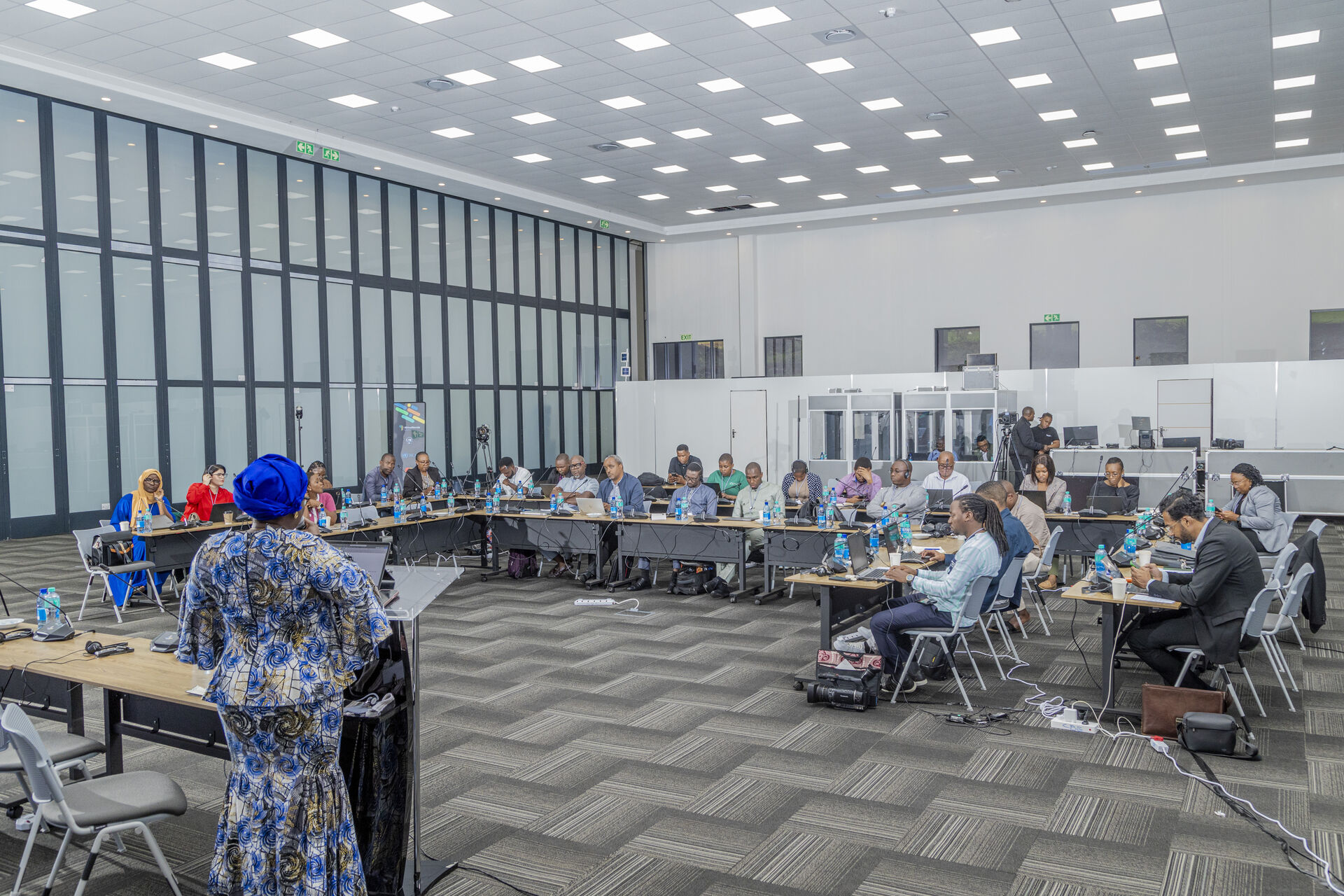
Instant Payment Systems (IPS) and Digital Public Infrastructure (DPI) shape how millions of Africans access services, run businesses, and participate in the economy. Yet journalists often struggle to report on these issues: the terminology is technical, the systems are complex, and newsroom priorities don’t always align with long-form, explanatory stories.
At the SIIPS 2025 Media Workshop, held at the Central Bank of Eswatini Complex, that gap began to close. Fifteen journalists from Eswatini and across the continent—including SABC (South Africa), Reuters Africa, Africa24 TV (Rwanda), Ethiopian Press Agency, APA News (Senegal), L’Economie (Cameroon), Premium Times and Big Cabal Media (Nigeria), Techfocus24 (Ghana), Africa Cybersecurity Magazine (Benin), and Le Nouveau Reporter (Togo)—received clarity, context, and practical tools to turn Africa’s digital transformation into compelling, people-centered stories.
This year’s event was sponsored by Co-Develop, marking the third consecutive year of partnership. Together, Co-Develop and AfricaNenda ensured that exercises, discussions, and case studies reflected real newsroom realities.
Past collaborations include:
Breaking Down DPI
The workshop opened with a deep dive into DPI by Desire Kachenje, Senior Principal, Investments at Co-Develop, and Bakare Majeed, a journalist and AfricaNenda Media Coalition member. They illustrated how digital IDs, instant payments, and interoperable data systems create the foundation for more inclusive, efficient public services.
Using examples like Nigeria’s digital identity reforms, speakers showed how DPI reduces leakages, improves service delivery, and unlocks opportunities for vulnerable groups.
“We support different African countries to roll out Digital Public Infrastructure and address the bottlenecks they face,” Desire explained. “Today, we see countries moving from basic to more mature systems. It’s inspiring—and it shows that if we keep collaboration and end-users at the center, there is no limit to what the continent can achieve.”

Journalists appreciated the simplicity and practicality of the breakdowns. Many noted that the session finally connected technology to human impact—what one participant called “the missing link.”
“Digital Public Infrastructure is a necessity for the public,” said Zekarias Woldemariam, Deputy Editor-in-Chief, Ethiopian Press Agency.
“We must report these stories, especially on instant payments in our countries,” added Nelisiwe Ndlangamandla, Eswatini TV.
Insights from the Central Bank of Eswatini
Brian Sihlongonyane, Deputy Head IT of the Central Bank of Eswatini (CBE) shared the country’s progress in digital payments and financial inclusion. Journalists learned about:
- the expansion of instant payment systems
- the role of digital ID in increasing access
- how trust, regulation, and policy shape the local ecosystem
This gave reporters concrete examples of how policy decisions impact daily life—from small-business owners receiving instant payments to rural communities accessing services more easily.

Turning Data into Stories
The highlight of the day was the Data-to-Story Challenge, led by AfricaNenda Senior Media Consultants Wycliffe Orandi and Kouame N’Dri. Working in teams, journalists transformed SIIPS 2025 data into concise, two-minute story pitches.
Topics included:
- Eswatini’s progress in payment inclusion
- gender and age gaps in digital payment usage
- trust issues driving cash dependency
- cross-border instant payments shaping regional trade
The session emphasized simple language, human-centered framing, and effective use of visuals—key ingredients for impactful storytelling.

Open Reflections and Shared Challenges
AfricaNenda Media Coalition journalists Vincent Owino (Kenya) and Edem Alley (Togo) shared straightforward reflections on the realities of covering instant payments and digital public infrastructure. They spoke about the pressure to prioritize high-traffic stories, the limited access to independent experts, and the time needed to understand complex systems.
Their input highlighted the need for:
- continuous engagement with newsrooms
- more targeted training
- field visits to see systems in action
- easier access to experts and clear resources
As the session moderator, AfricaNenda’s Director of Communications Bery Dieye, reflected: “This conversation helped us better understand the challenges journalists face and how we can support them. We already have ideas to take into SIIPS 2026.”
The discussion offered a useful and grounded look at how to strengthen collaboration with media partners going forward.

A First Look at SIIPS 2025
Journalists also received an exclusive early briefing on the SIIPS 2025 Report, presented by AfricaNenda Deputy CEO, Sabine Mensah. She highlighted that 36 instant payment systems are now live across 31 African countries, processing nearly USD 2 trillion in 2024.
“The objective of this workshop was to have an honest discussion about instant payment systems, DPI, and consumer experiences,” Sabine said.
“The quality of questions showed real appetite to understand the challenges. The media is essential—not just to share information, but to build awareness about how these systems impact people.”

A Human Story at the Heart of Digital Transformation
Throughout the workshop, one message came through clearly: Africa’s digital transformation is not a technology story, it is a human story.
Journalists learned to:
- identify real problems and solutions
- avoid jargon and simplify complex issues
- highlight people’s experiences
- make data relatable (“400 million excluded,” “7 out of 10 users”)
- tell stories that show what people gain—or miss—when systems work
Bery Dieye emphasized the importance of engaging both editors and reporters, enabling field visits, and fostering transparency from central banks so journalists can see system rollouts firsthand.
And that is the power of the SIIPS 2025 Media Workshop: Turning data into stories. Turning stories into understanding. And making Africa’s digital future accessible to all.