
Events
Connecting Africa: Highlights from the SIIPS 2025 Launch
13 November 2025
The launch of the 2025 State of Inclusive Instant Payment Systems (SIIPS) in Africa report brought together central bank leaders, policymakers, payment system operators, development partners, and ecosystem actors from across the continent to reflect on progress, confront persistent challenges, and chart the next phase of Africa’s instant payments journey.
The event attracted 180 in-person attendees and 11,722 online viewers, including 25 journalists, representatives from 17 central banks, 21 banks and financial service providers, 6 switch operators, and 36 development partners from 30 African countries.
Hosted in Eswatini, the SIIPS 2025 launch underscored a central message: inclusive instant payment systems are no longer optional infrastructure, they are foundational to economic participation, job creation, and regional integration.
Dr Robert Ochola, CEO of AfricaNenda opened the ceremony by reflecting on Africa’s journey toward greater financial inclusion. He emphasized that Inclusive Instant Payment Systems are more than just technology—they are powerful tools that give people, businesses, and communities the ability to grow, trade, and thrive. By making payments faster, easier, and more accessible, these systems are transforming key sectors like agriculture, healthcare, education, and small businesses, creating real opportunities and driving a more inclusive and prosperous future for the continent.
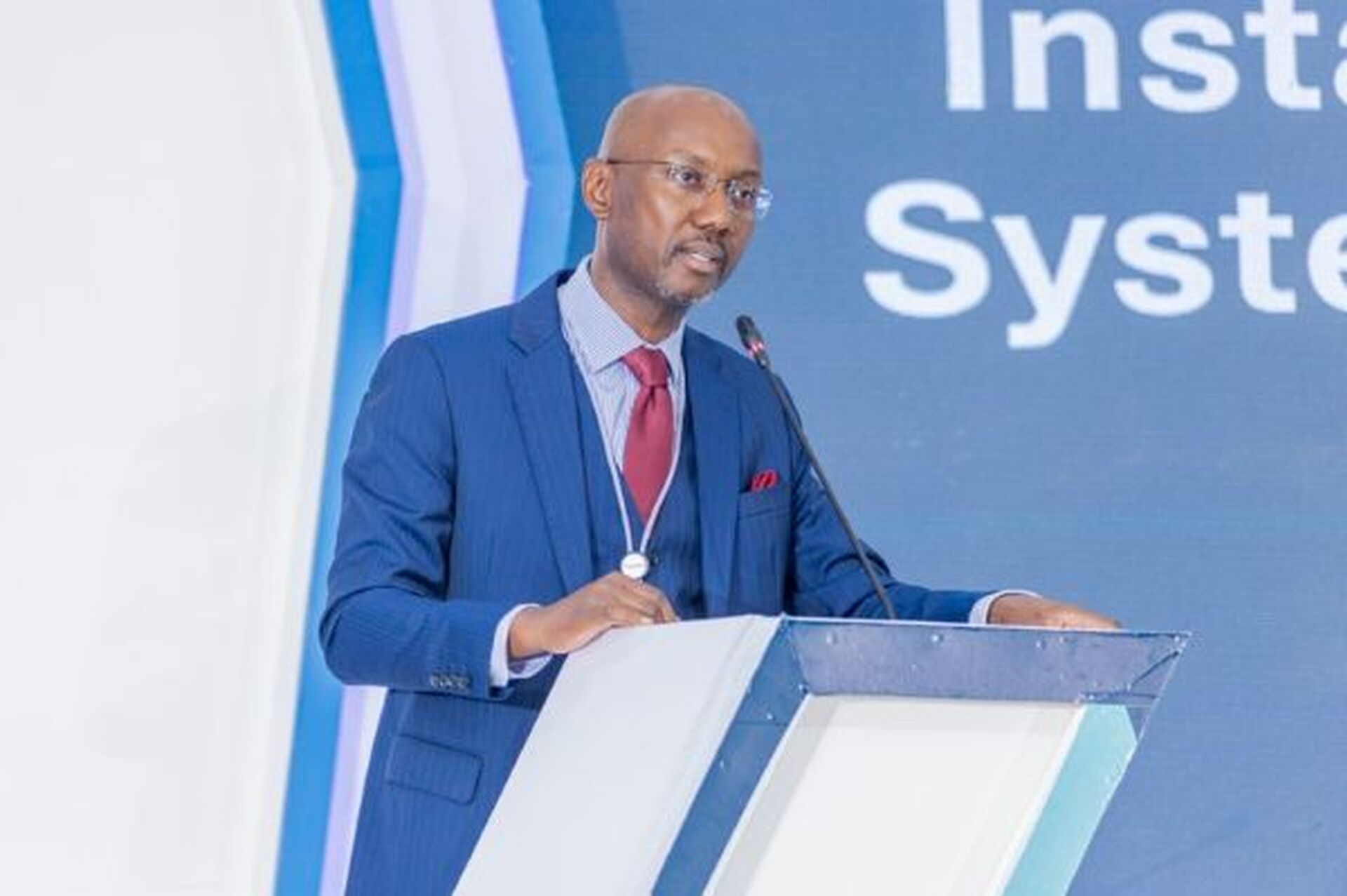
Building on Dr. Ochola’s vision of a more inclusive and transformative payments landscape, Nelima Ramteke from the World Bank highlighted SIIPS as AfricaNenda’s flagship evidence product, firmly rooted in the Global FAST Payment Systems Strategy. She emphasized the World Bank’s ongoing commitment to collaborate with AfricaNenda, supporting peer learning and helping countries move from basic systems to more advanced and inclusive payment infrastructures, ensuring that Africa’s digital financial ecosystem continues to grow stronger and more equitable. Next, Dr. Phil Mnisi, Governor of the Central Bank of Eswatini and gracious host of the event, set a strong national context for the discussions, highlighting Eswatini’s progress in advancing inclusive instant payment systems and the role of robust payment infrastructure in supporting financial inclusion and economic growth. Eswatini, with a population of approximately 1.2 million, is a small but diverse economy. As the Governor noted, the country’s “geographic smallness is its agility.” Yet, this agility is tested by significant development challenges, most notably job creation, with unemployment at 34% overall and 58% among youth aged 15–35.
As the Governor noted: “Now is the time to join forces and learn from each other. Eswatini is ready to partner to achieve a digitally inclusive economy.”
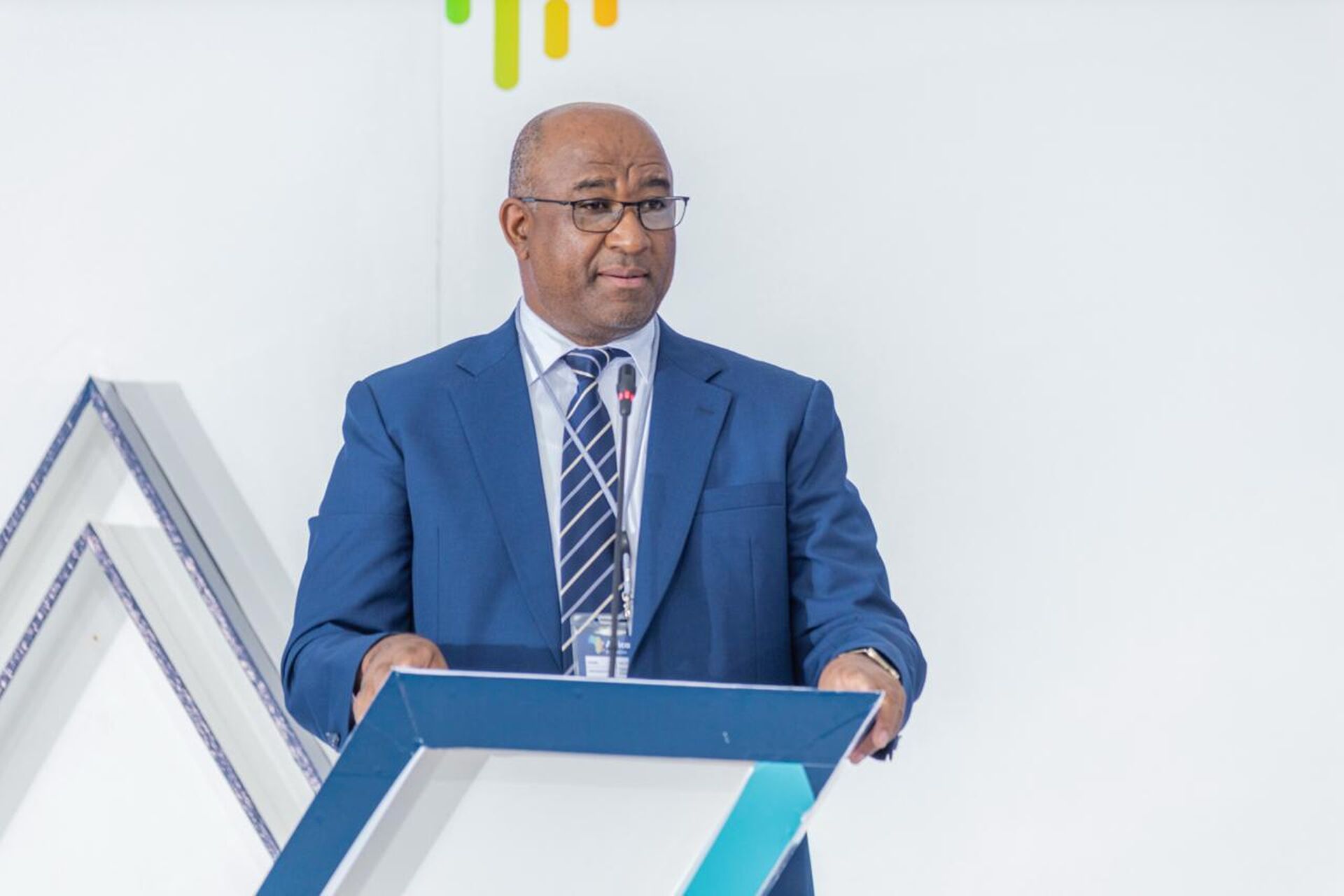
Presenting SIIPS 2025: Evidence, Maturity, and Inclusion
Sabine F. Mensah, Deputy CEO of AfricaNenda, and Jacqueline Jumah, Director of Advocacy and Capacity Development, then presented the SIIPS 2025 report. The session brought AfricaNenda leadership and ecosystem partners into a collaborative discussion on the insights and actions needed to advance inclusive instant payment systems. A clear message emerged: countries must learn from one another rather than reinvent the wheel, particularly in areas such as digital literacy, dispute resolution, and interoperability.
Key insights included:
- True instant payments require full participation by all ecosystem actors—banks, mobile money operators, and non-banks alike
- Moving from basic to progressed systems depends on interoperability, affordability, trust, and industry-wide dispute resolution platforms
- Monitoring performance is essential; for example, NIBSS targets sub-one-second transaction times as a benchmark
- Domestic systems must be fully functional before scaling cross-border payments
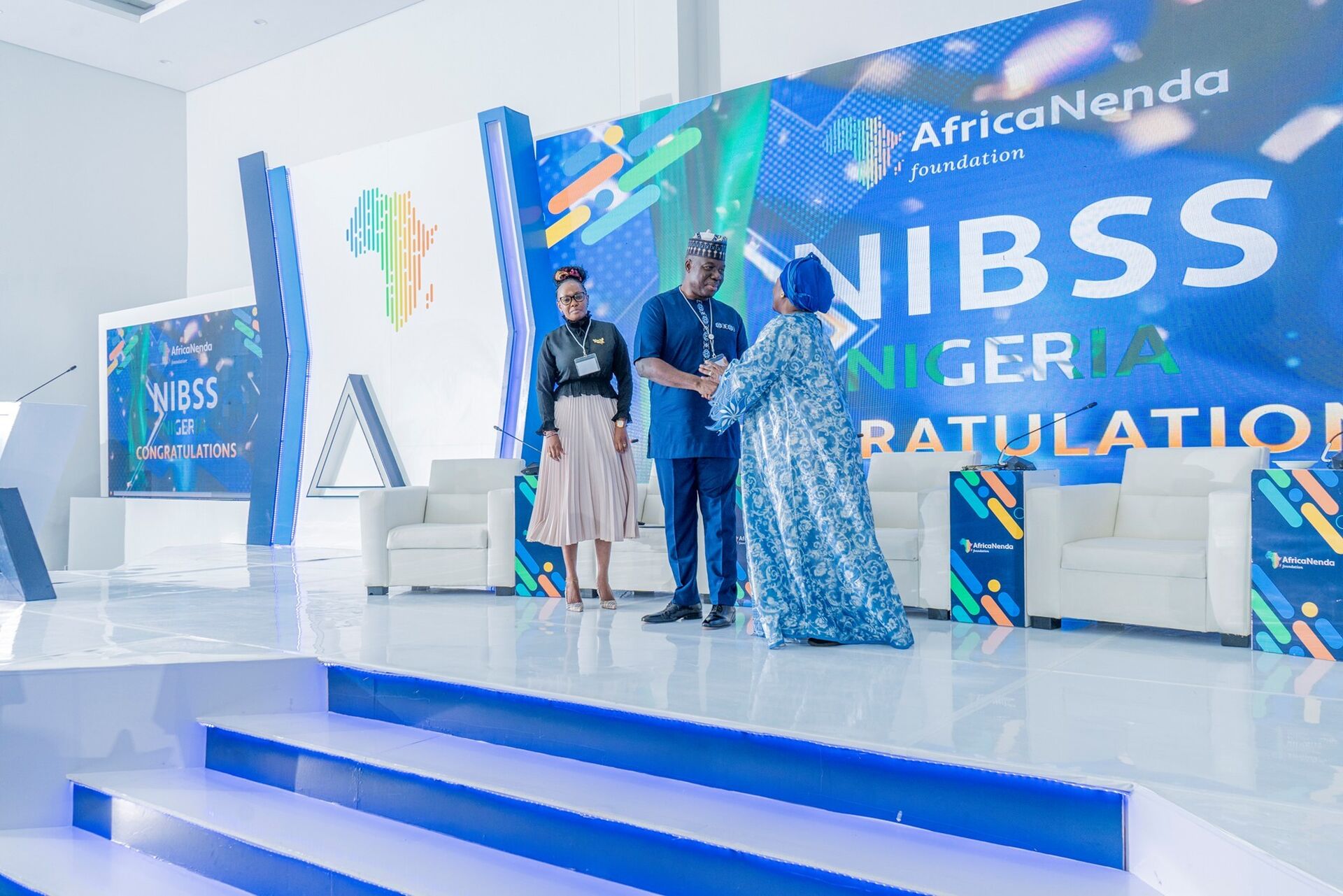
During the presentation, Nigeria Inter-Bank Settlement System (NIBSS) was recognized for a major continental milestone. The NIBSS Instant Payment (NIP) system became the first instant payment system in Africa to be classified as “Mature” on the AfricaNenda Inclusivity Spectrum, underscoring its strength in governance, accessibility, affordability, and consumer protection. This achievement positions NIP as a leading reference model for inclusive instant payment systems across the continent.
Left to right: Jacqueline Jumah, Director of Advocacy and Development, AfricaNenda, Premier Oiwoh, Managing Director & CEO, NIBSS, Nigeria, Sabine Mensah, Deputy CEO, AfricaNenda
Highlights from the Panel Sessions
Governors’ Dialogue: Policy, Leadership, and the Public Interest
This forum provided a rare opportunity for central bank leaders to exchange candid insights on policy choices, trade-offs, and lessons learned.
Across diverse country contexts, several common priorities emerged:
- The need for intentional and decisive leadership in launching and scaling domestic payment systems
- Policy and regulatory harmonization, particularly to unlock cross-border payments
- Strong cybersecurity frameworks and stakeholder capacity-building
- Meaningful engagement with the private sector, while keeping the public interest at the center
Countries shared lessons at different stages of maturity:
- Liberia highlighted how standardizing transaction fees unlocked interoperability and market acceptance
- Mozambique emphasized strengthening domestic systems before moving cross-border
- Eswatini signaled its ambition to progress toward open banking and card payments
One powerful moment came from the Governor of Eswatini, who shared an anecdote about his mother requesting a smartphone so she would not be “left behind” as fast payments roll out, an illustration of real demand for inclusion.
Panelists from left to right: Hon. Governor of Central Bank Liberia, Henri Samoi, Dr. Robert Ochola, CEO, AfricaNenda, Sabine Mensah (Moderator), Deputy CEO, AfricaNenda; Hon. Dr Phil Mnisi Governor of Central Bank of Eswatini, Hon. Rogério Lucas Zandamela of Banco de Moçambique

Panel 1: From Access to Impact
IPS Inclusivity Fulfilling the Promise of Payments in DPI”
This session explored how systems can move beyond access to deliver tangible economic outcomes. Key lessons from country experiences included:
- Mandated interoperability (Nigeria, Ghana) as a catalyst for trust and scale
- Continuous efforts to reduce transaction costs, with NIBSS moving from ₦100 per transaction in 2010 to ₦3 today
- The importance of volume growth to sustainably lower costs
- Channel expansion (QR, agents, ATMs) to drive adoption
Development partners highlighted their role in supporting this journey, through funding, technical assistance, and the development of open-source solutions and fraud management tools.
Panelists from left to right:Dilwonberish Aberra, BMGF (Moderator), Premier Oiwoh, Managing Director & CEO, NIBSS, Nigeria, Clara Arthur, CEO of GhiPSS, Ghana, Yilebes Addis, CEO, Ethswitch, Konstantin Peric, Deputy Director of Payments, Gates Foundation.
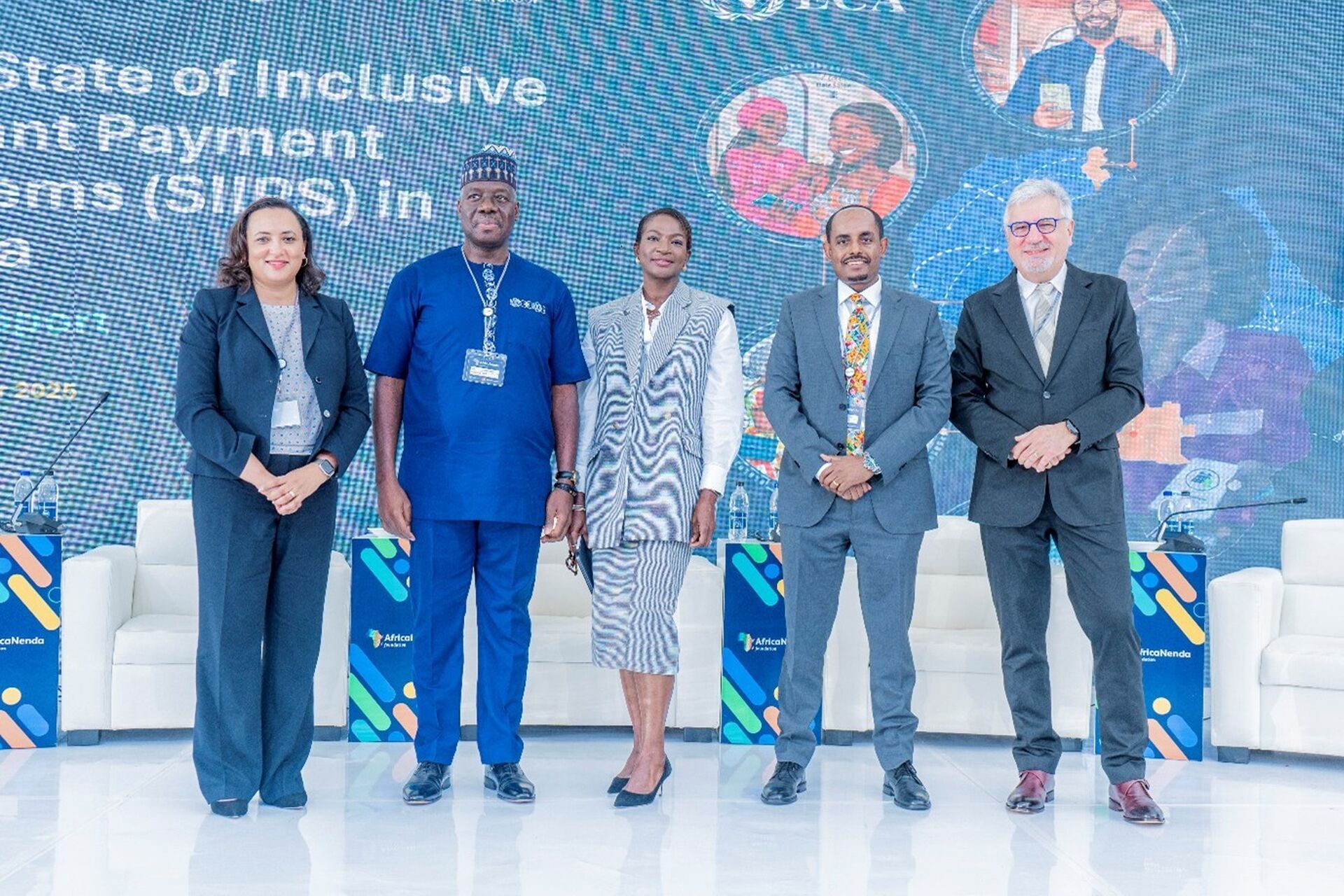
Panel 2: Connecting Africa
Fast-Tracking Cross-Border Retail Payments through Interconnected IPS and Regulatory Harmonization
The session reinforced one of the strongest conclusions of SIIPS 2025: the primary barrier is not technology, but policy. Despite continental initiatives such as AfCFTA, regulatory fragmentation continues to delay connectivity. Speakers emphasized:
- The urgency of harmonized regulation and common standards
- The need for clear legal frameworks and incentives once policy is agreed
- Building trust through confirmation mechanisms, data protection, fraud regulation, and user recourse
Smaller economies were encouraged to collaborate at the regional level to achieve scale, while catalytic use cases such as trade and e-commerce can help drive volumes.
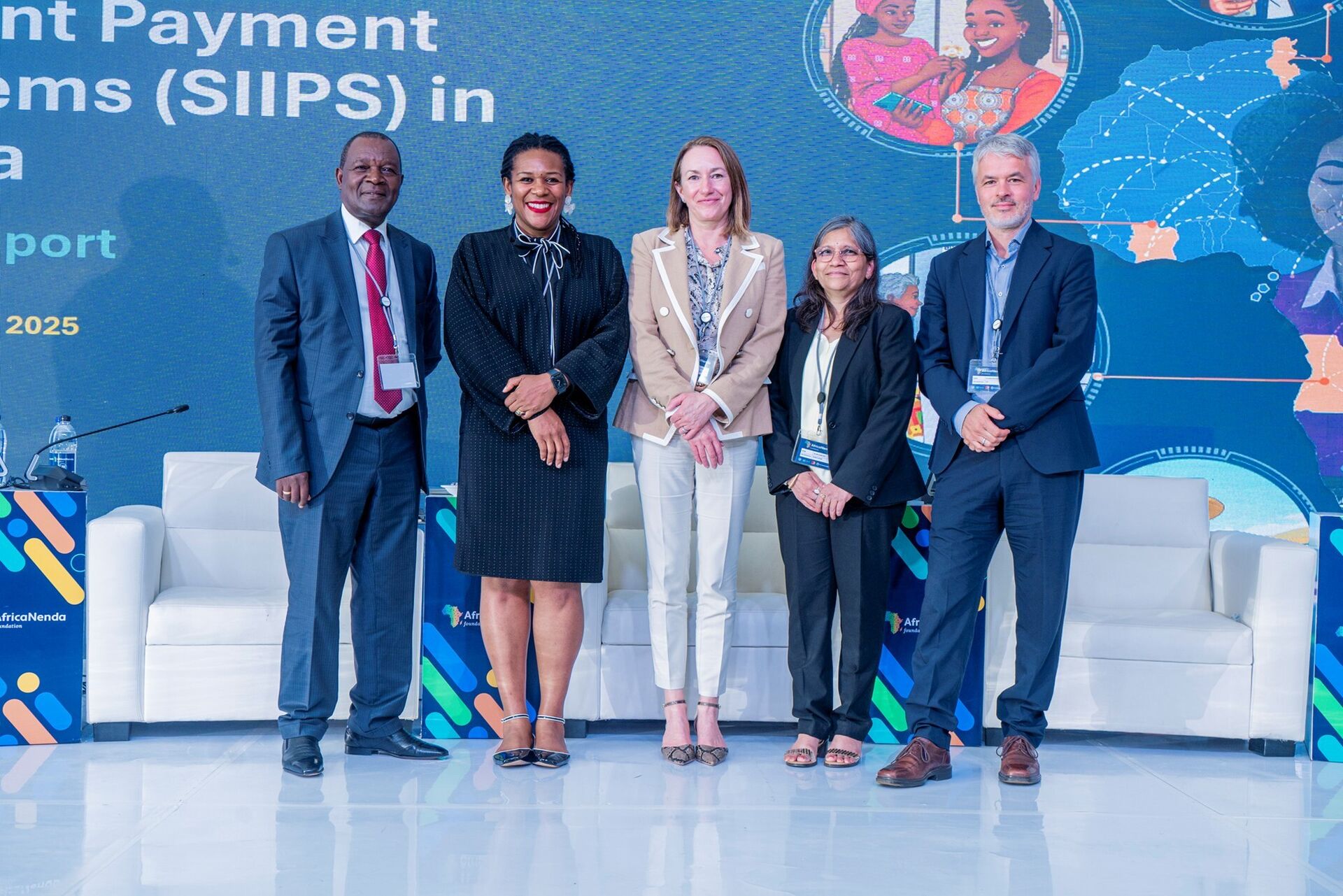
Panelists from left to right: Prof Njuguna Ndung’u Chair of the Advisory Board of the Trade and Development Bank Academy, Amani M’bale ,Senior Program Officer, Gates Foundation, (Moderator), Helen Stoner, Head of Real Time Payment Sales, Mastercard, Nilima Ramteke, Senior Financial Specialist, World Bank, Björn Richter, Cluster Coordinator, German Development Cooperation (Giz)
Building partnerships beyond the stage
The day concluded with a post-event gala dinner, offering speakers, partners, and stakeholders a relaxed space to connect and deepen relationships. The evening was warmly received and created opportunities for meaningful conversations, reflection on the day’s discussions, and the strengthening of partnerships in a more informal setting.
During the gala, AfricaNenda presented certificates of recognition to 24 central banks and instant payment system operators whose data contributions made the SIIPS 2025 report possible. Guests also enjoyed Eswatini’s rich cultural performances, adding a celebratory close to the day’s program.

What Comes Next
The SIIPS 2025 launch closed with a renewed sense of urgency and collaboration. With core instant payment systems now in place across many markets, the focus is shifting decisively from access to impact.
SIIPS continues to serve as a practical tool for countries to measure progress, learn from peers, and move toward progressed and mature levels of inclusivity.
Ultimately, the goal is clear: to build instant payment systems that go beyond speed—systems that are inclusive, trusted, and deliver meaningful value for people, businesses, and economies across Africa.