Articles
International Women's Day 2026 - Behind the Work: Powering Financial Inclusion
par Bery Dieye, Director of Communications, AfricaNenda - 23 février 2026
When people think about financial inclusion, they often picture systems, technology, or programs. But behind all of that are people creating the conditions that make inclusion possible every day.
This International Women’s Day, we spotlight colleagues across HR, Finance, and Gender & Monitoring, Evaluation & Learning at AfricaNenda who help ensure our work is inclusive, sustainable, and meaningful.
What drives them? What does inclusion look like in their daily work, and why does this mission matter to them? Hear directly from them as they share the passion, purpose, and perspective that power AfricaNenda’s commitment to inclusive financial systems across the continent.
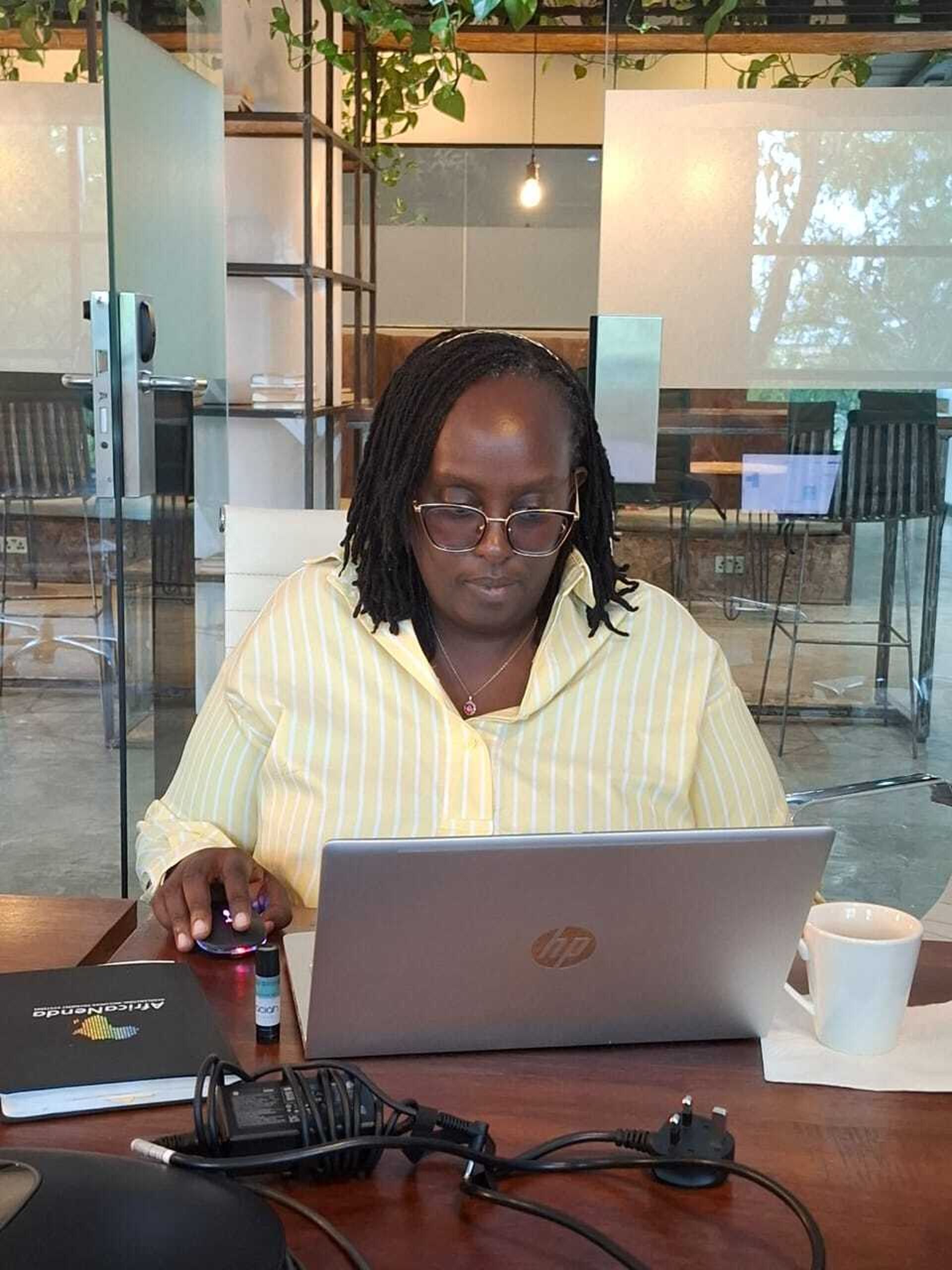
1. Veronica Mutua - HR Specialist
Q. How does HR contribute to creating an environment where staff can do their best work toward advancing financial inclusion in Africa?
For me, HR is about people first. It is about creating a workplace where people are supported, respected, and trusted. We try to bring in people who genuinely care about the mission and want to contribute to something bigger than themselves. When people feel valued and connected to the purpose, they naturally give their best. That’s what makes the work meaningful.
Q. What does “inclusion” look like internally?
Inclusion is how people feel when they come to work every day. It’s feeling comfortable being yourself, knowing your voice matters, and having the same opportunities to grow as everyone else.
At AfricaNenda Foundation, this commitment is reflected in who we are as an organization. Out of our 25 staff members, 13 are women and 12 are men. This balance didn’t happen by chance. It reflects our intention to build a diverse team where different perspectives are valued, and everyone has the opportunity to contribute and grow.
Q. What does International Women’s Day mean to you in the context of building equitable institutions?
IWD reminds us of whose voices are heard and whose work is valued and promoted. Equity is a collective responsibility. It’s a moment to reflect on how far we have come, but also on what still needs to change. Creating equitable workplaces doesn’t happen automatically. It takes intention and continuous effort.
Q. What gives you hope about the future of financial inclusion in Africa?
What gives me hope is the number of people across Africa who are deeply committed to this work. There’s real energy and purpose behind what people are doing. Being part of that journey is inspiring.
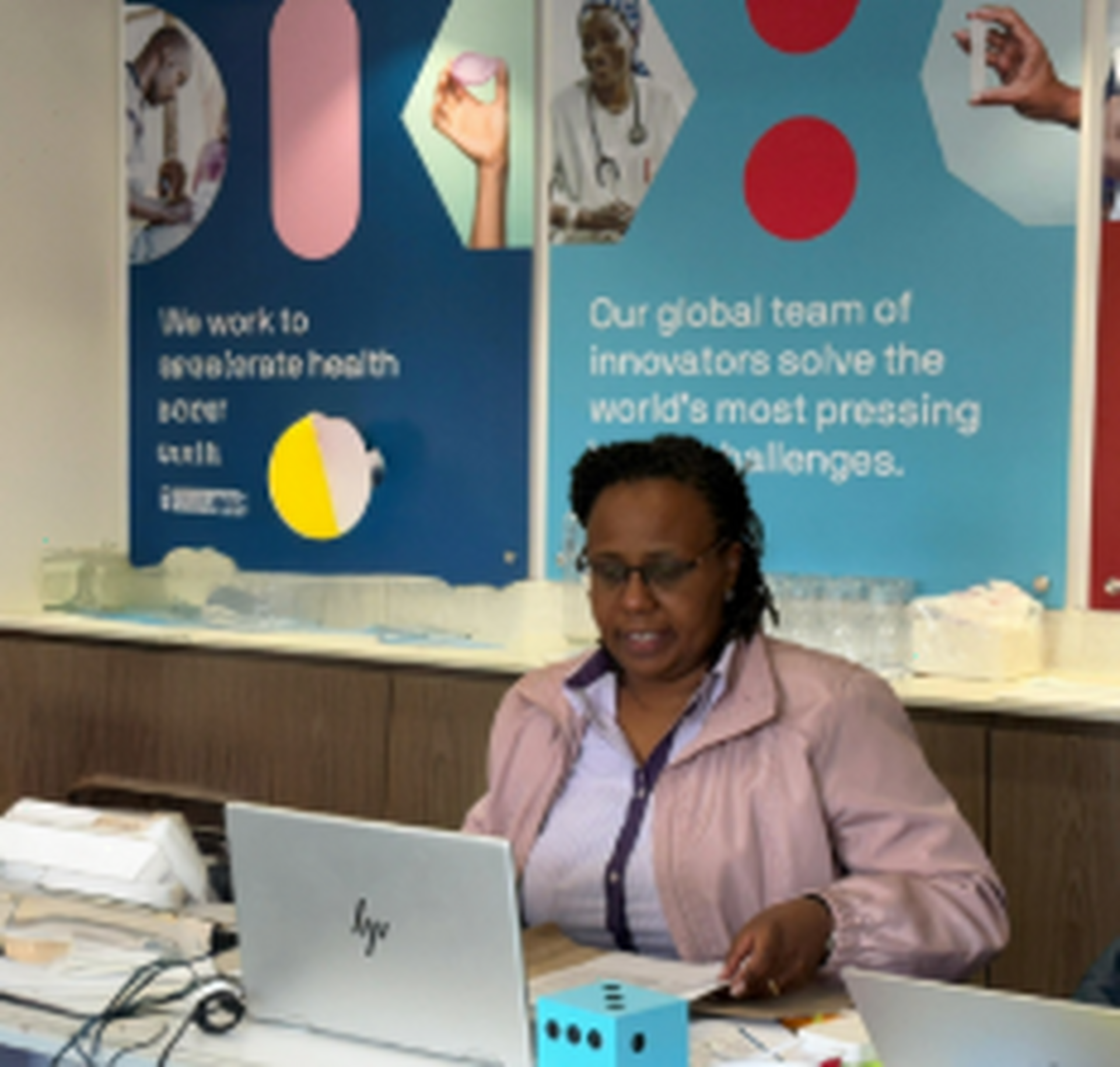
2. Roseanne Mugo - Finance Manager
Q. How does the finance function support AfricaNenda’s mandate?
Finance ensures all projects, pilots or full deployments, are adequately funded and monitored for effectiveness, efficiency, and economy. Our role is to support teams so they can focus on delivering impact, knowing there’s a strong foundation behind them.
Q. What gives you hope about financial inclusion in Africa?
I’m encouraged by the progress happening across the continent. More people are gaining access to financial services, and more solutions are being built with inclusion in mind. It feels like we’re moving in the right direction.
Q. What does International Women’s Day represent within inclusive economic systems?
Women play such a central role in supporting families, communities, and economies. When women have access to financial services, it creates opportunities not just for them, but for everyone around them. Supporting women’s inclusion is essential to building stronger communities.
Q. How does strong financial management build trust?
Behind every project deployment, every SIIPS journey is a network of partners who trust AfricaNenda with resources to help build more inclusive financial systems. My role is to ensure those resources are managed responsibly and transparently. It’s work that happens behind the scenes, but it’s essential. Good financial stewardship ensures that projects can move forward, partnerships remain strong, and ultimately that more people can access financial services that improve their lives. Being part of that process gives real purpose to my work.

3. Tapfumanei Mabika - Gender & M&E Specialist
Q. How does your role support AfricaNenda’s mandate?
My role is making sure that gender equality is part of how we design and measure our work. It’s important that financial inclusion efforts truly reach women and other underserved groups, not just in theory, but in practice. Evaluation, and guiding teams to use gender-intentional tools. This ensures interventions translate into meaningful, equitable digital financial access.
Q. Why is it important to include gender in financial inclusion programs?
Because without being intentional, financial inclusion efforts can unintentionally leave women behind. Data from the World Bank Global Findex shows that in Sub-Saharan Africa, about 52% of women have a financial account compared to 64% of men, a gap of 12 percentage points. This gap reflects real barriers women face, including lower access to mobile phones, identification, and financial services. These challenges are not always visible, but they directly affect whether women can participate in the digital economy. If we don’t design systems with these realities in mind, we risk reinforcing existing inequalities instead of reducing them. Being intentional about gender means understanding these barriers and designing solutions that work for women from the start. When we do that, financial inclusion becomes an opportunity for women to strengthen their economic independence, support their families, and contribute fully to their communities.
Q. How does data move gender equality from intention to action?
Data helps us see what might otherwise remain invisible. It shows us where women are being reached, where gaps still exist, and where systems may be unintentionally leaving people behind. This allows us to move beyond good intentions and design solutions that respond to real needs.
This is what guided our gender intentionality research, which will be published soon. The goal is to help SIIPS stakeholders and partners better understand how to apply a gender lens in their work and make more intentional decisions to ensure women are fully included. For me, data is a powerful tool for accountability. It helps ensure that our commitment to gender equality leads to real, measurable change.
Q. What reflections stand out on International Women’s Day?
It’s a reminder that this work matters. It’s about making sure systems work for everyone, especially those who have been excluded for a long time. It’s both reflection and a call to accelerate action.
Financial inclusion doesn’t happen on its own. It’s made possible by people who care deeply about the work and the impact it can have on others.
On this International Women’s Day, we celebrate the colleagues working behind the scenes to make financial inclusion possible. Their work may not always be visible, but it is essential, and it is helping build a more inclusive future across Africa.